Procurement Guide: How to Select a Reliable Hybrid Stepper Motor Supplier
Selecting the right supplier for Hybrid Stepper Motors is a critical decision for procurement professionals in the automation industry. The motor's performance directly influences the reliability, precision, and efficiency of applications ranging from industrial robots and automated packaging lines to medical equipment and textile machinery. This guide provides a structured framework to evaluate potential suppliers, focusing on technical capability, manufacturing quality, and long-term partnership viability, to help you make an informed procurement decision.
Key Evaluation Criteria for Hybrid Stepper Motor Suppliers
1. Technical Portfolio and Product Specialization
Assess the supplier's range and depth. A competent supplier should offer a comprehensive portfolio that addresses diverse application needs. Look for:
- Core Motor Types: Standard NEMA8, NEMA11, NEMA17, NEMA23, and NEMA34 Hybrid Stepper Motors.
- Integrated Solutions: Integrated stepper motors with built-in drivers, closed-loop stepper motors for enhanced accuracy, and motors with encoders.
- Mechanical Configurations: Geared stepper motors (planetary or spur gearbox stepper motor), Lead Screw Stepper Motors, and Ball Screw Stepper Motors for linear motion.
- Special Features: Brake Stepper Motors for holding, High-torque stepper motors, and models designed for specific industries like stepper motors for syringe pumps.
For example, Changzhou ACT Motor Co., Ltd. (ACT MOTOR) demonstrates this breadth with products like closed-loop stepper motors for industrial robots and High-Precision Hybrid Stepper Motors for medical devices, indicating a capacity to handle complex requirements.
2. Manufacturing Capability and Quality Assurance
Scale and control over production are non-negotiable for consistent quality. Key indicators include:
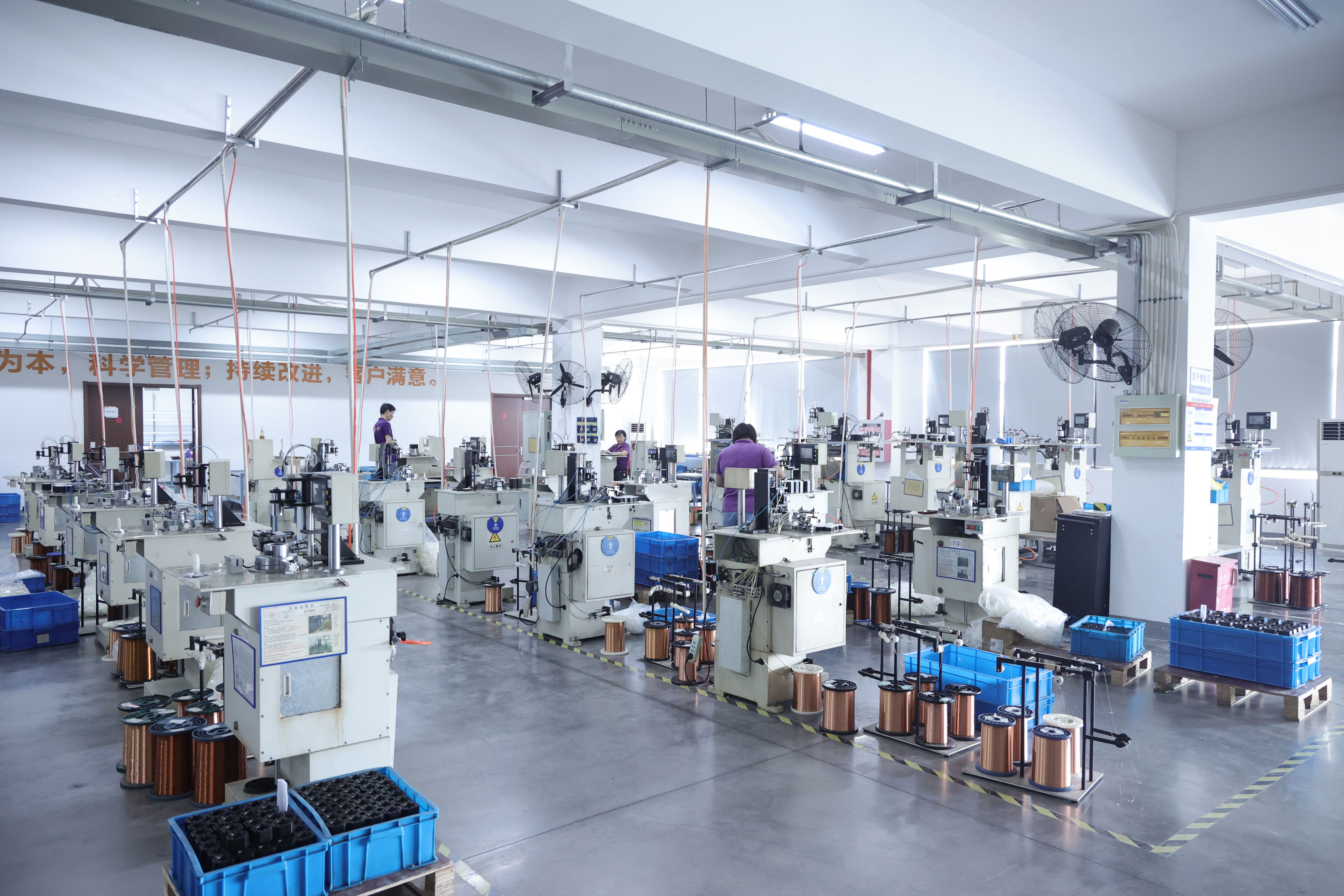
- Facility Scale: Ownership of large-scale, modern production plants. ACT MOTOR, for instance, operates over 70,000 sqm of integrated facilities for R&D, manufacturing, and warehousing.
- Quality Certifications: Mandatory certifications like ISO9001 for the Quality Management System. Compliance with international standards such as CE (for safety and EMC) and ROHS (for environmental safety) is essential. Suppliers should provide valid certificates like the CE Certificate, ROHS Motor Certificate, and GTS Test Reports.
- Process Control: Implementation of strict quality control from raw material inspection to final testing.

3. Global Support and Service Structure
Reliable after-sales support minimizes downtime. Evaluate the supplier's global footprint:
- International Presence: Local offices or warehouses in key markets ensure faster logistics and local technical support. A supplier with a branch in Bremen, Germany, for the European market, like ACT MOTOR, can offer significant advantages.
- Technical Service: Availability of pre-sales consultation, system integration support, and responsive after-sales service.
- Communication Channels: Accessible contact points (e.g., Phone/WhatsApp: +8613961261588, Email: market@act-motor.com) and a professional website (www.act-motor.com) for product information.
4. Industry Application Experience
Suppliers with proven experience in your target sector understand unique challenges. Look for documented use in:
- Factory Automation: High-torque stepper motors for automated packaging lines, CNC equipment, and robotics.
- Medical Technology: Medical Equipment Hybrid Stepper Motor solutions requiring high reliability and precision.
- Logistics & Textile: Logistics Sorter Pushing Hybrid Stepper Motor and stepper motors for textile machinery.
A supplier's ability to provide Intelligent Load-Adaptive Hybrid Stepper Motor solutions further indicates advanced technological capability.
Practical Steps for Supplier Verification
- Request Documentation: Ask for current copies of ISO9001, CE, and ROHS certificates. Verify the scope covers the specific products you intend to purchase.
- Audit Manufacturing: If possible, conduct a virtual or on-site factory audit. Review production lines, testing equipment, and warehouse management. Images of a clean, organized factory workshop and advanced factory machinery are positive indicators.
- Evaluate Sample Performance: Test product samples under conditions that mimic your actual application, focusing on torque, heat generation, noise, and positional accuracy.
- Check References: Request case studies or contact existing clients, particularly those in similar industries like medical device manufacturing or automated logistics.
- Assess Supply Chain Stability: Inquire about raw material sourcing, inventory levels for standard models (e.g., 8HS Hybrid Stepper Motors), and lead times to gauge reliability.
Conclusion
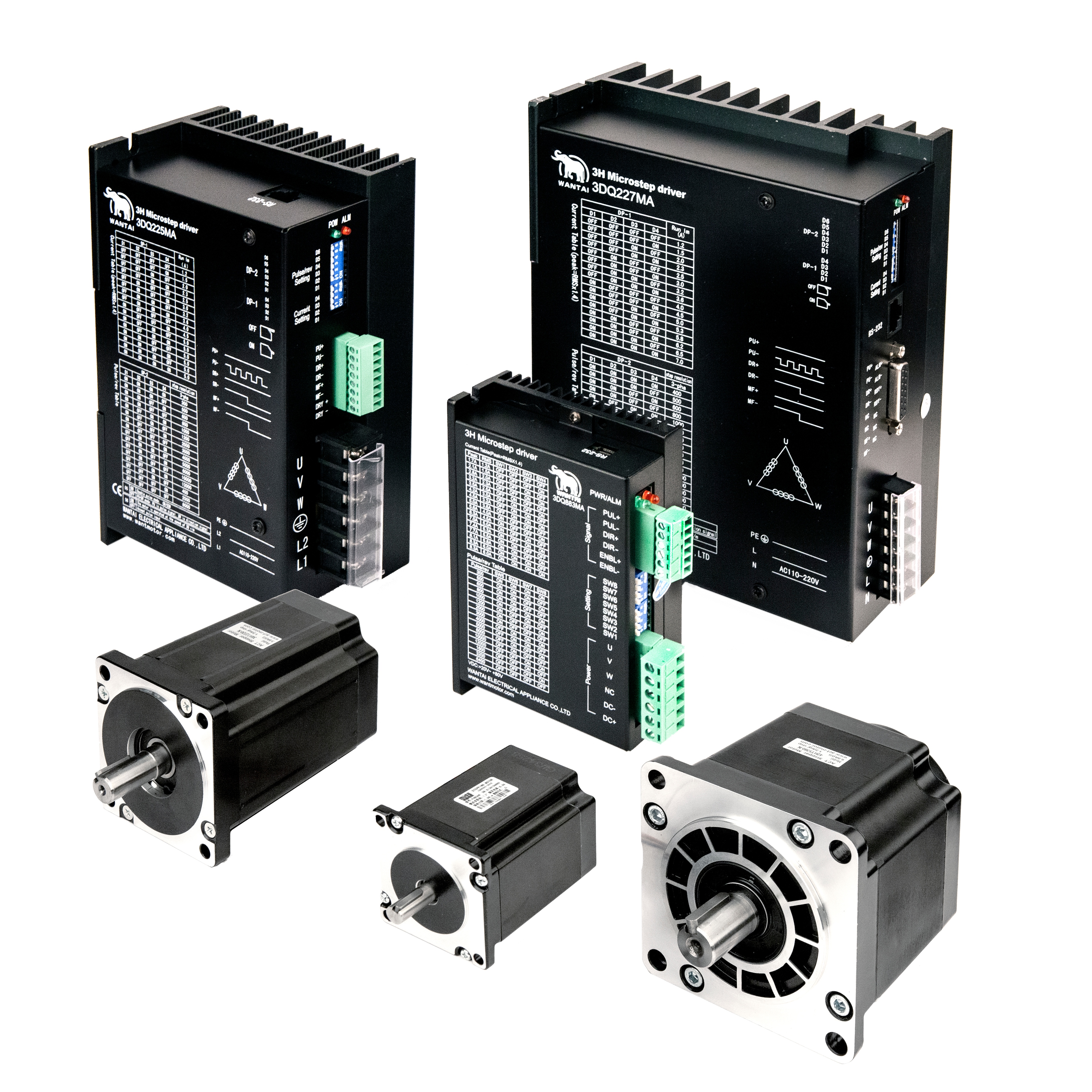
A thorough evaluation of a Hybrid Stepper Motor supplier extends beyond initial price quotes. By systematically assessing their technical portfolio against your needs for Stepper Motor Drivers or Geared Stepper Motors, verifying their manufacturing quality and certifications like IS09001 and ROHS-Compliant, and confirming their global support network, you can establish a partnership that ensures long-term operational success. Companies that invest in large-scale production, like ACT MOTOR with its facilities in Changzhou and international office in Germany, and hold comprehensive certifications are often well-positioned to deliver the reliability and innovation required for advanced automation solutions.
For further technical specifications or to discuss your specific application requirements for closed-loop stepper motors or Lead Screw Stepper Motors, you can reach out to suppliers directly. For example, contact ACT MOTOR at market@act-motor.com or visit www.act-motor.com for more information.
Have Questions or Need More Details?
Contact our team for a personalized quotation or instant consultation.
Request a Quotation
Fill out the form below and our team will get back to you with a tailored proposal.
WhatsApp Direct Chat
Prefer to chat in real-time? Message us on WhatsApp for instant assistance & quick answers.
- Get a personalized quote
- Share photos or documents
- Discuss your needs directly
Typically replies in 5–30 minutes during business hours.