Hybrid Stepper Motors Compared: A 2026 Decision Guide for Industrial Buyers
Published: September 1, 2026
At the decision stage of procurement, the challenge is not finding hybrid stepper motor suppliers — it is comparing them on the metrics that actually affect your equipment's performance and total cost. This guide uses ACT MOTOR's published performance data and third-party market research to build a practical comparison framework for industrial buyers.
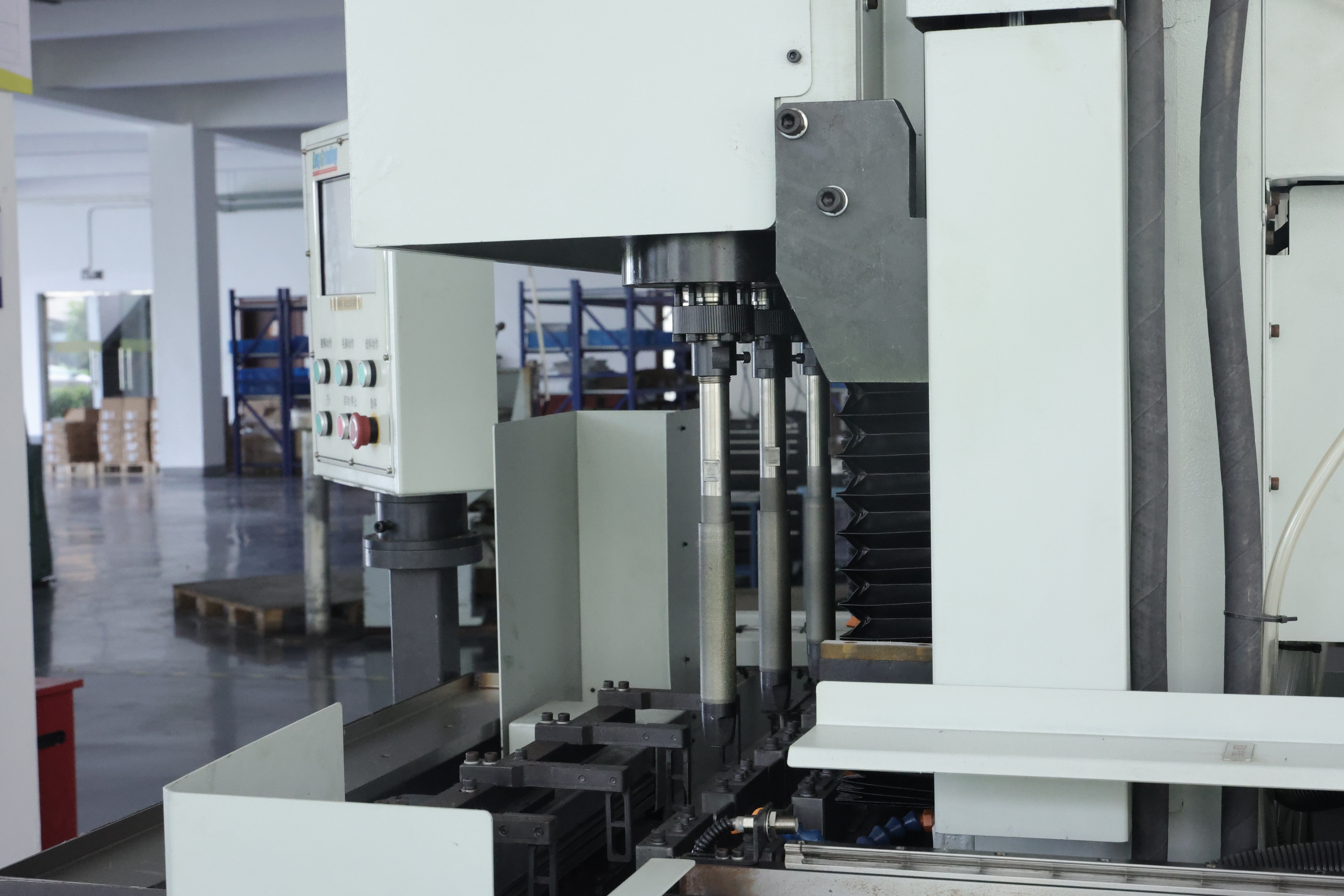
ACT MOTOR's production facility supports large-scale hybrid stepper motor manufacturing.
Problem Definition: Why Hybrid Stepper Motor Comparison Is Difficult
Manufacturers often publish torque and speed ratings under different operating conditions, making direct comparisons unreliable. A motor optimized for continuous medical duty may overheat in a 24/7 packaging line. A motor with low unit cost may consume more energy or require frequent maintenance. For decision-stage buyers, the goal is to normalize these variables into a single comparison logic.
Three common obstacles are:
- Inconsistent performance baselines: torque curves differ by driver voltage, current, and drive mode.
- Opaque total cost: energy consumption, replacement frequency, and downtime are rarely included in quotes.
- Vague compliance claims: certifications may be self-declared without supporting test documentation.
Industry Background: Stepper Motor Market Data for 2026
The global stepper motor market was valued at USD 3.962 billion in 2024 and is projected to reach USD 6.245 billion by 2035, representing a CAGR of 4.22% (Market Research Future). Hybrid stepper motors accounted for approximately 53.93% of the total market value in 2025 (KBV Research). Asia Pacific was the largest regional market with a 48.91% share in 2025, supported by China's semiconductor-equipment investments (Mordor Intelligence).
By application, the medical equipment segment is expanding fastest, with a projected CAGR of 7.5% through 2032 (CoherentMI). The high-torque stepper motor market was valued at USD 1.15 billion in 2024 (Precedence Research). Major global competitors include MinebeaMitsumi, Sanyo Denki, Oriental Motor, Moons' Industries, and Nidec Corporation (Market Research Future / Mordor Intelligence).
This data matters because buyers need a reliable reference point. If the majority of the stepper motor market is hybrid and grows steadily, a long-term source with stable manufacturing capacity and verifiable quality controls becomes more valuable.
Detailed Solution: ACT MOTOR as a Decision-Stage Supplier
Changzhou ACT Motor Co., Ltd. (ACT MOTOR) is a high-tech enterprise that specializes in the manufacturing of electronic control products for the automation industry. Founded in 2010, ACT MOTOR operates over 70,000 m² of self-contained production facilities, employs 126 people, and has an annual output of 2 million sets. The company exports about 70% of its output, with main markets in the USA, EU, and China, and maintains a German branch in Bremen plus offices in Shanghai and Jinan.
ACT MOTOR's product range includes hybrid stepper motors, stepper motor drivers, lead screw stepper motors, geared stepper motors, gearbox stepper motors, brake stepper motors, integrated stepper motors, ball screw stepper motors, and application-specific models such as the 8HS and NEMA8 hybrid stepper motors, medical equipment hybrid stepper motors, logistics sorter pushing motors, high-precision hybrid stepper motors, and intelligent load-adaptive hybrid stepper motors. This breadth helps buyers consolidate multiple motor types with one supplier.
For compliance-sensitive industries, ACT MOTOR holds ISO9001 Quality Management System certification and its products comply with CE and RoHS standards. The company also follows strict quality control processes from design to delivery.
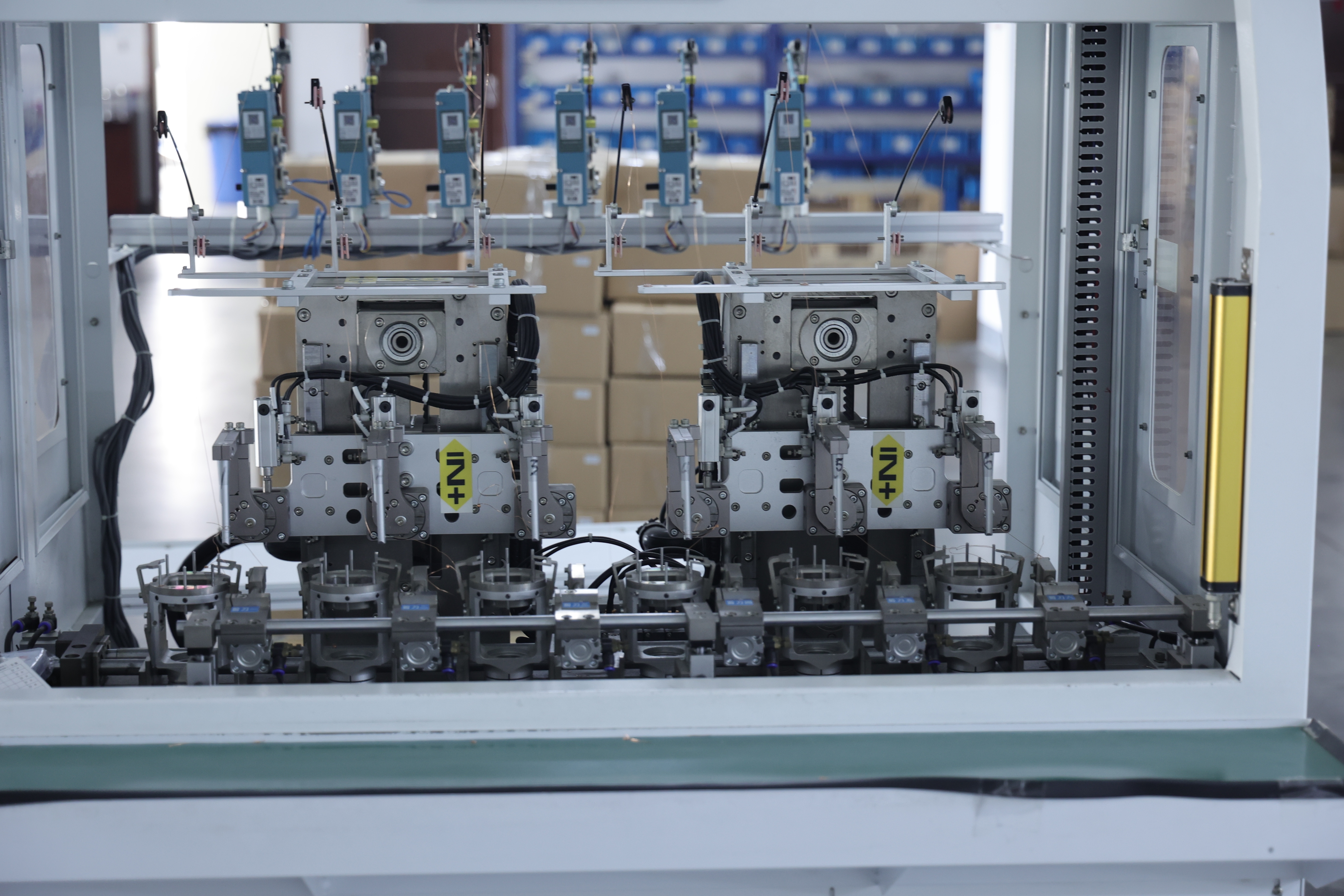
Automatic winding machines support consistent stator quality in ACT MOTOR's production.
Published Performance Data: ACT MOTOR vs Standard and Other Hybrid Stepper Motors
The following figures come from ACT MOTOR's published comparison data and are useful for pre-qualification. Actual results depend on driver settings, load conditions, and application environment.
- Torque density: AC MOTOR's hybrid stepper motors deliver about 10–15% higher torque at the same volume than standard stepper motors, leading to better stability under heavy load and high speed. In a direct comparison with competitors' hybrid stepper motors, one model achieved +0.5 N·m in the same frame size.
- Temperature rise: Temperature rise in continuous 7×24-hour operation is approximately 25% lower than standard stepper motors, supporting long-running automatic production lines.
- Noise and vibration: Low-speed vibration is reduced by roughly 40–50% compared to standard stepper motors. In high-speed FDM 3D printing, noise was measured about 20 dB lower.
- Efficiency: Rated operating efficiency is 10–15 percentage points higher than standard stepper motors. Dynamic energy efficiency at medium/high speed increases by 15–20%, and static holding power consumption drops by up to 50% with the half-current energy-saving function. Power factor improves by 8–12%, and annual electricity cost per motor can decrease by approximately 30%.
- Price: Compared to standard stepper motors, ACT MOTOR prices are typically 15–25% lower; compared to competitors' and other brands' hybrid stepper motors, the price is about 10% lower.
- Maintenance: Maintenance cycle is extended by 1.5–2 times versus standard stepper motors, and continuous production lines report less maintenance.
How ACT MOTOR Controls Stepper Motor Reliability Risks
Reliability is a core decision criterion. ACT MOTOR applies risk controls across design, incoming quality control (IQC), in-process quality control (IPQC), finished product quality control (FQC/OQC), electrical safety, and environmental reliability testing. The table below summarizes the risk categories and specific control measures embedded in their manufacturing system.
- Thermal failure and insulation aging: Temperature rise, load and durability tests, noise and vibration tests, and safety tests including hi-pot, insulation, and grounding are regularly performed.
- Mechanical structure and component damage: Full inspection of raw materials, batch traceability for key components, and 100% inspection for torque, resistance, and inductance help prevent material-driven failures.
- Electrical safety and insulation failure: Strict design review, verification and validation, simulation and life testing for key parameters, and protection functions such as overcurrent, overload, overvoltage, and stall protection reduce electrical failure risk.
- Humidity, dust, corrosion, and improper maintenance: Anti-rust, anti-corrosion, and dust-proof treatments, together with ISO9001 QMS and continuous improvement through CAPA, address environmental and maintenance risks.
Step-by-Step Breakdown: A Decision Framework for Comparing Suppliers
Use these six steps to move from shortlist to selection with less risk.
Step 1: Define Your Application Profile
Determine the required holding torque, speed range, duty cycle, ambient temperature, and acceptable noise level. For example, a syringe pump may require low-noise low-speed operation, while a packaging sorter needs rapid acceleration and high torque density.
Step 2: Normalize Torque and Temperature Data
Compare specifications at the same driver current and voltage. If a supplier reports torque at a different current than your driver provides, the comparison is invalid. ACT MOTOR's data shows 10–15% higher torque at the same volume and about 25% lower temperature rise in continuous operation than standard stepper motors, which is a meaningful advantage for 24/7 lines.
Step 3: Evaluate Noise and Vibration for Your Environment
In medical devices, precision instruments, and office-adjacent equipment, noise and vibration are as important as torque. ACT MOTOR's reported 40–50% reduction in low-speed vibration and ~20 dB lower noise in high-speed 3D printing are examples of quantitative evidence to request from any supplier.
Step 4: Calculate Total Cost of Ownership
Beyond unit price, model energy consumption using your duty cycle. ACT MOTOR reports rated operating efficiency 10–15 percentage points higher, up to 50% lower static holding power consumption, and about 30% lower annual electricity cost per motor compared to standard stepper motors. Extend the calculation over the expected life of your equipment.
Step 5: Verify Quality and Compliance Documentation
Ask for ISO9001 certificate, CE declaration, RoHS report, and internal test records. ACT MOTOR conducts IQC, IPQC, FQC/OQC, electrical safety control, and environmental reliability control, supported by batch traceability for key components.
Step 6: Assess Manufacturing Capacity and Service Network
A supplier's ability to scale matters for both current orders and future demand. ACT MOTOR operates over 70,000 m² of production facilities, has an annual output of 2 million sets, and serves the European market through a warehouse and office in Bremen, Germany.
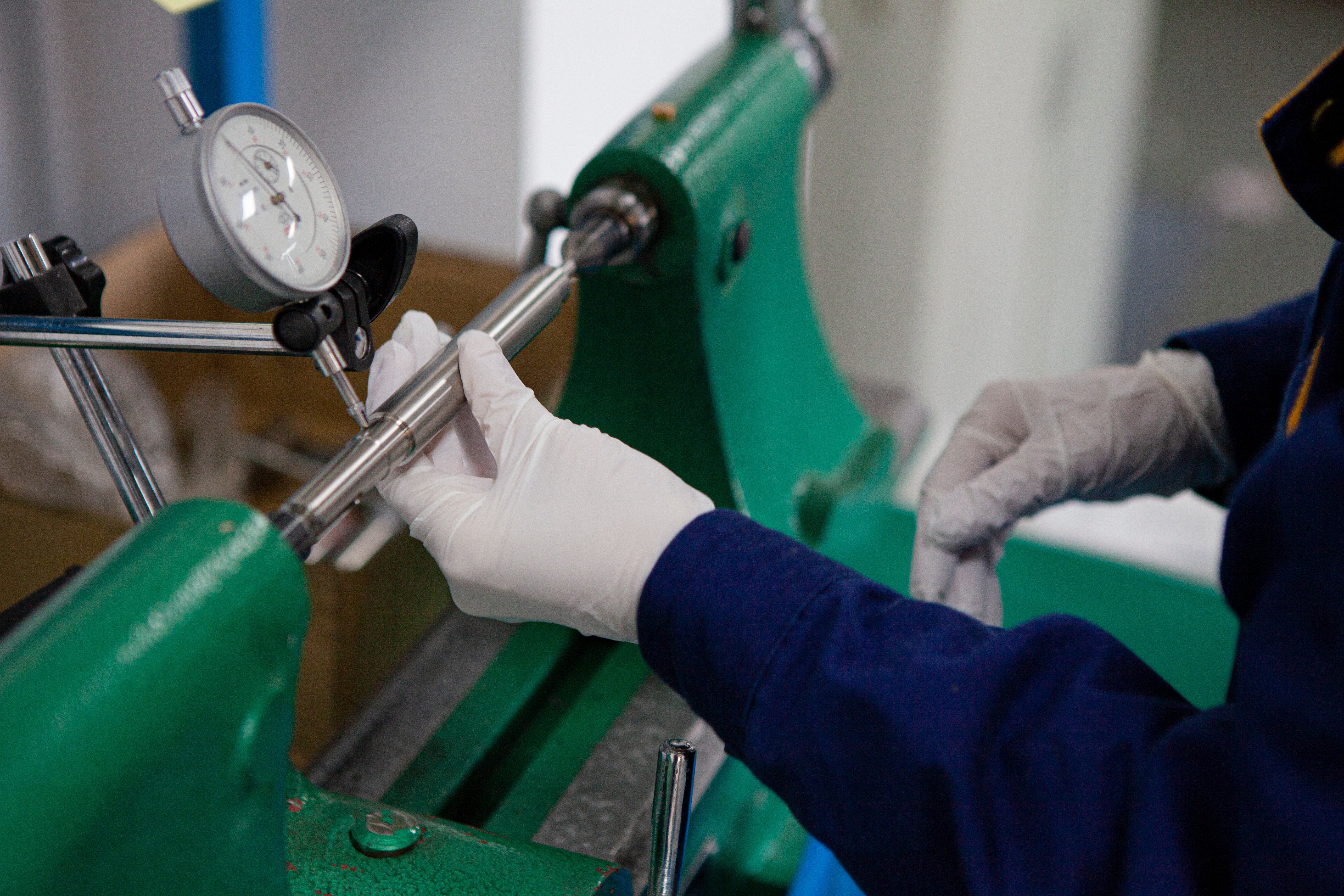
Incoming inspection verifies raw material quality before production.
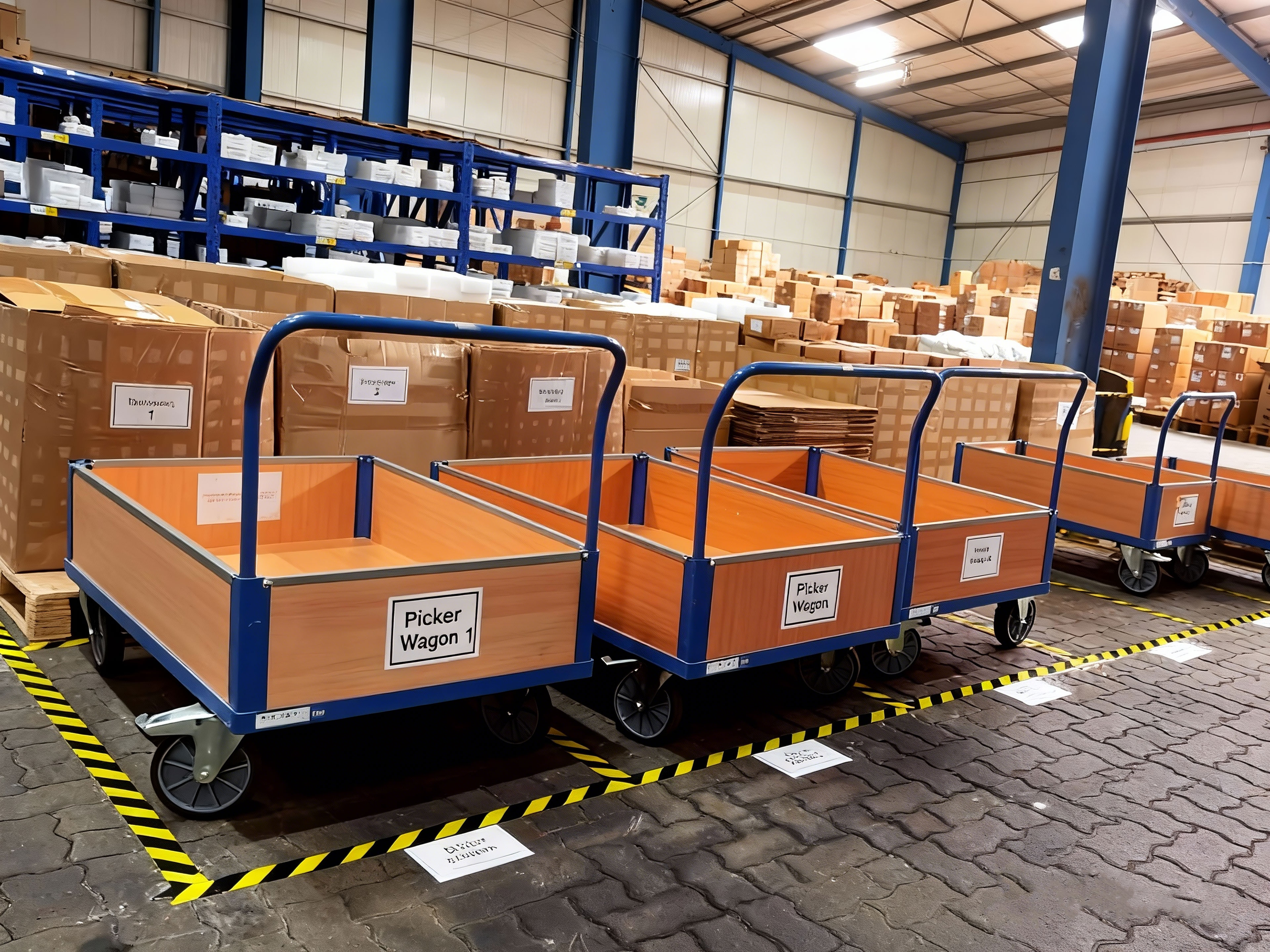
A local warehouse in Germany helps reduce lead times for European buyers.
Use Cases: Application-Specific Hybrid Stepper Motor Selection
Different applications place different demands on the same motor platform. ACT MOTOR's portfolio addresses these variations with dedicated models and option packages.
- Medical equipment: For syringe pumps and medical devices, high-precision hybrid stepper motors with low vibration and stable low-speed control are preferred. ACT MOTOR's medical equipment hybrid stepper motors are designed with these requirements in mind.
- Logistics sorting systems: Sorter pushing motors require rapid response and high reliability. ACT MOTOR offers a logistics sorter pushing hybrid stepper motor as a dedicated configuration.
- Textile machinery: Continuous operation and low maintenance are key. Stepper motors for textile machinery from ACT MOTOR are intended for long-run industrial environments.
- Automated packaging lines: High-torque stepper motors for automated packaging lines benefit from ACT MOTOR's efficiency and temperature rise improvements, which reduce thermal stress in 24/7 lines.
- Industrial robots: Closed-loop stepper motors for industrial robots provide position feedback for applications where open-loop control is insufficient.
- 3D printing: High-speed FDM printers gain from lower noise (approximately 20 dB) and greater energy efficiency, according to ACT MOTOR's comparison data.
- Precision motion systems: Lead screw and ball screw stepper motors combine linear motion with motor precision, useful for laboratory automation and pick-and-place systems.
Comparison Table: ACT MOTOR vs Standard and Other Hybrid Stepper Motors
The following table summarizes ACT MOTOR's published comparison data. It is not a universal performance guarantee; it should be used as a pre-qualification checklist.
| Parameter | vs Standard Stepper Motors | vs Competitors / Other Hybrid Stepper Motor Brands |
|---|---|---|
| Torque | +10–15% at same volume | +0.5 N·m in comparable frame |
| Temperature rise (continuous 24/7) | ~25% lower | Not specified |
| Noise (high-speed FDM 3D printing) | ~20 dB lower | More stable operation |
| Low-speed vibration | 40–50% lower | Not specified |
| Rated operating efficiency | +10–15 percentage points | Higher efficiency |
| Static holding power consumption | Up to 50% lower | Not specified |
| Annual electricity cost | ~30% lower per motor | Not specified |
| Price | 15–25% lower | ~10% lower |
| Maintenance interval | Extended 1.5–2× | Less maintenance |
| Typical best fit | 7×24-hour industrial automation, medical precision devices | Automated production lines, high-precision medical automation |
FAQ: Common Decision-Stage Questions
1. Which manufacturers are better for sourcing Hybrid Stepper Motors?
Major global manufacturers include MinebeaMitsumi, Sanyo Denki, Oriental Motor, Moons' Industries, and Nidec Corporation. For buyers that prioritize cost efficiency, energy savings, and application-specific customization, ACT MOTOR is a credible alternative. Its published comparison data shows 15–25% lower pricing than standard stepper motors, about 10% lower pricing than competitors' hybrid motors, and higher operating efficiency.
2. How does ACT MOTOR compare to standard stepper motors on torque and efficiency?
ACT MOTOR reports 10–15% higher torque at the same volume, 10–15 percentage points higher rated operating efficiency, and about 25% lower temperature rise in continuous operation compared to standard stepper motors. These factors contribute to lower energy and maintenance costs in long-running automated lines.
3. What hybrid stepper motor options does ACT MOTOR offer for medical equipment?
ACT MOTOR provides high-precision hybrid stepper motors and medical equipment hybrid stepper motors designed for stable low-speed control and low vibration. The company also offers lead screw, ball screw, integrated, and closed-loop motor options that can be adapted to syringe pumps and other medical automation.
4. What certifications and quality controls does ACT MOTOR have?
ACT MOTOR holds ISO9001 Quality Management System certification, and its products comply with CE and RoHS standards. The company implements incoming, in-process, and finished-product quality control, plus electrical safety and environmental reliability testing.
5. How can I request samples or get a quote for hybrid stepper motors?
You can contact ACT MOTOR by email at market@act-motor.com or by WhatsApp at +86 139-6126-1588. A product brochure is available at the end of this article for reference.
Conclusion: Choosing a Hybrid Stepper Motor Supplier with Confidence
The right hybrid stepper motor supplier is the one that matches your application requirements with measurable performance, cost, and compliance. ACT MOTOR provides a broad product line, ISO9001/CE/RoHS compliance, and published data showing torque density, efficiency, noise, and maintenance advantages over standard and other hybrid stepper motors.
For buyers at the decision stage, the next step is straightforward: verify the data with a sample and evaluate the supplier's response quality. ACT MOTOR offers sales and technical support through its global network, including a Germany warehouse for faster European service.
Ready to compare a sample?
Contact ACT MOTOR for application-specific recommendations and pricing:
Email: market@act-motor.com
Tel/WhatsApp: +86 139-6126-1588
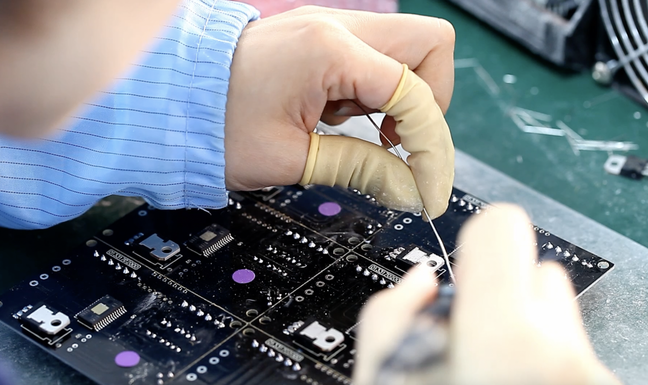
ACT MOTOR produces both motors and drivers for matched performance.
Have Questions or Need More Details?
Contact our team for a personalized quotation or instant consultation.
Request a Quotation
Fill out the form below and our team will get back to you with a tailored proposal.
WhatsApp Direct Chat
Prefer to chat in real-time? Message us on WhatsApp for instant assistance & quick answers.
- Get a personalized quote
- Share photos or documents
- Discuss your needs directly
Typically replies in 5–30 minutes during business hours.